
"according to species"
7000 article(s) found

Basic knowledge of Coffee beans (1)
Coffee belongs to the evergreen shrub of the genus Rubiaceae, which is centered in the tropics. There are about 6000 species of Rubiaceae belonging to 500 genera.
Arabica coffee species Costa Rican coffee beans characteristics balanced flavor coffee
Costa Rican coffee is characterized by full granules, ideal acidity and unique strong flavor. Costa Rica's coffee industry, originally controlled by the Costa Rican Coffee Industry Company (InstitutodelCafdeCostaRica, ICAFE), has been taken over by the official Coffee Committee (OficinadelCaf). Among the coffee exported, those are considered to be of substandard quality
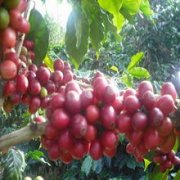
Coffee knowledge three native species of coffee
Coffee is mainly divided into three categories: Arabica (Arabica), Robusta (Robusta) and Liberia (Liberica), but Arabica and Robsta are mostly in circulation in the market. No matter what it is, it has its advantages and disadvantages, and its purpose and use are not the same. There are about 40 species of coffee plants, but only Allah can produce coffee beans of commercial value.
Learn about the three native species of coffee
Coffee belongs to the evergreen shrub of the genus Coffea of Rubiaceae, which is centered in the tropics. There are about 6000 species of Rubiaceae plants in this area. Coffee has always been considered to have certain effects, such as invigorating the stomach, waking up the brain, stopping bleeding, dissipating heat, strengthening the body and so on. The more famous Rubiaceae plant is Gardenia jasminoides, whose fruit was dried and used as medicinal material a long time ago.
Botanical knowledge of coffee
There are more than 60 kinds of coffee, but there are roughly two varieties of coffee grown commercially on a large scale, one is Arabica, accounting for about 70 percent of the world's coffee planting area, and the other is Robasta, accounting for about 30 percent of the world's coffee planting area.
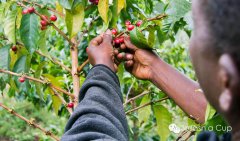
Yega Schiffe native species Woka Worka Manor Ethiopia Yega Sheffield grade G1
In fact, according to Ms. Knudsen, people started drinking fine coffee, but later, due to the growing demand for coffee, the discovery and use of new coffee varieties led to the decline of coffee quality. later, people even began to dislike this bad coffee and began to turn to other drinks. In this case, Ms. Knudsen's re-recognition

What are the classification of coffee varieties and what are the common coffee varieties?
Based on the classification of coffee varieties: ① according to large varieties, coffee can be simply divided into Arabica species and Robusta species. In general, Arabica tastes better than Robsta (it is not so simple to generalize). For example, we often hear a fast food chain claiming to use 100% Arabica coffee beans. But it is important to note that Arabica does not necessarily represent

A brief introduction to the history and culture of the origin and development of Arabica coffee in Indonesia
Even if the coffee has the same name (named from the place of origin), as long as the cultivated varieties are different, the flavor is different from the leaf rust-resistant varieties found in the African Congo, teaching the Arabica species to be more resistant to the disease. People like to compare robusta species with Arabica coffee. In fact, robusta species is originally a mutant of Congo species (scientific name Cofffea canephora), so it is said that

The difference between the three native species of coffee and the introduction of Arabica and Robusta
Coffee belongs to the evergreen shrub of the genus Rubiaceae, which is centered in the tropics. There are about 6000 species of Rubiaceae belonging to 500 genera. Coffee has always been considered to have certain effects, such as invigorating the stomach, waking up the brain, stopping bleeding, dissipating heat, strengthening the body and so on. There are about 40 species of coffee plants, but the only ones that can produce coffee beans of commercial value are Arabica, Robusta and Libby.

How much do you know about the botany of coffee?
There are more than 60 kinds of coffee, but there are roughly two varieties of coffee grown commercially on a large scale, one is Arabica, accounting for about 70 percent of the world's coffee planting area, and the other is Robasta, accounting for about 30 percent of the world's coffee planting area.
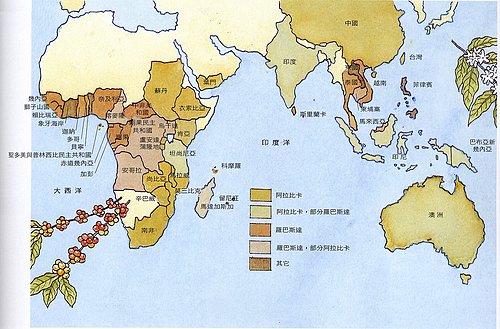
The basic knowledge of Coffee beans the three native species of coffee Robsta species Arabica species Libby
Basic knowledge of coffee beans (1) Coffee belongs to the evergreen shrub of the genus Rubiaceae, which is centered in the tropics. There are about 6000 species of Rubiaceae belonging to 500 genera. Coffee has always been thought to have certain effects, such as strengthening the stomach, waking up the brain, stopping bleeding, dissipating heat, strengthening the body, and so on. The more famous Rubiaceae plant is Gardenia jasminoides, whose fruit was dried and used as medicine a long time ago.

What is the original species of coffee beans from Ethiopia? introduction to the characteristics of coffee beans
Professional coffee knowledge exchange more coffee bean information please follow the coffee workshop (Wechat official account cafe_style) Qianjie-Ethiopian native species introduction people who often drink Ethiopian coffee should have heard of the [Heirloom native species] this variety, most Ethiopian varieties will be named after this, in fact, because Ethiopia has so many varieties, it is like Arabica

Introduction to the species and Flavor of Mexican Coffee producing countries
Mexican coffee-growing areas are mainly concentrated in the southeastern highlands, near Guatemala. Most of the mountains in the south are volcanic areas, and the volcanic ash soil is not only conducive to the drainage of coffee roots, but also provides sufficient nutrients for the growth of coffee trees. Most of the coffee varieties planted are Kaddura, Tibica, bourbon, etc., and the treatment methods are mostly water washing treatment, which are classified according to altitude. Coffee beans

History of Origin and Development of Water-washed bourbon species in Kayanza Province of Burundi Burundi Bulundi Champion processing Plant
This is excellent news for countries that earn more than 80% of their foreign exchange earnings from coffee exports. Due to the abundant coffee growing season Rain Water and good field management, coffee production in 2004-2005 was significantly higher than that of last year. According to Burundian officials, the output of coffee beans this year will reach 36000 tons, a six-fold increase over last year (5600 tons).

What are the three primary coffee species?
Liberian: West Africa is the origin of Liberian coffee. It has strong adaptability to various environments such as high temperature or low temperature, humidity or dryness, etc., except for leaf rust resistance, and its flavor is worse than Arabica, so it is only traded domestically in some West African countries (Libya, Cote d'Ivoire, etc.) or planted for research. circulating in world markets

Gimbi Kinby producing area of Ethiopia | Native species of Queen Queen Sheba of Sheba
Professional coffee knowledge exchange more coffee bean information please follow the coffee workshop (Wechat official account cafe_style) Ethiopia Gimbi producing area | Sun Sheba Queen Queen Sheba local native species flavor? According to the Old Testament Bible and the Koran, Queen of Sheba (Queen Sheba) was the ruler of the kingdom of Sheba at the same time as King Solomon. At that time, it was powerful and powerful.

Kaha Yang Gan Manor Coffee Manor in Indonesia Kopi Luwak
Arabica coffee beans grow in tropical colder high-altitude areas, and the hot and humid zone that is not suitable for Arabica coffee is where robusta coffee grows. Robusta has a unique aroma (called Rob smell, which some people think is musty) and bitter, accounting for only 2% of mixed coffee. 3% of mixed coffee, the whole cup of coffee becomes Robusta flavor. Its flavor

Description of flavor of coffee beans in Honor Manor in El Salvador
El Salvador Glory Manor Coffee Bean Flavor description region Grinding scale 1984, Eduardo Francisco bought Pacamaral Coffee Garden to become the new owner, he is determined to create a special feature, his family has been engaged in coffee in the beautiful Apanecas mountains since his grandfather's time, and it has been more than a century. Pacamara is a new species developed by Pacas and Da.
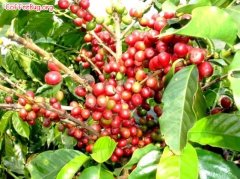
The basic knowledge of coffee beans The three original species of coffee
Coffee belongs to the evergreen shrubs of the genus Coffee of Rubiaceae, centered in tropical regions, with about 500 genera and 6000 species of Rubiaceae plants distributed here. Coffee has long been thought to have certain medicinal effects, such as invigorating stomach, refreshing mind, stopping bleeding, dissipating heat, strengthening body, etc. More famous Rubiaceae plants and gardenia, its fruit has long been dried as medicine
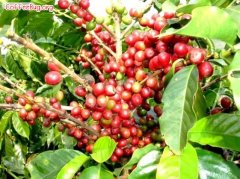
The basics of coffee beans the three native species of coffee
Coffee belongs to the evergreen shrub of the genus Rubiaceae, which is centered in the tropics. There are about 6000 species of Rubiaceae belonging to 500 genera. Coffee has always been thought to have certain effects, such as strengthening the stomach, waking up the brain, stopping bleeding, dissipating heat, strengthening the body, and so on. The more famous Rubiaceae plant is Gardenia jasminoides, whose fruit was dried and used as medicinal material a long time ago. The three native species of coffee